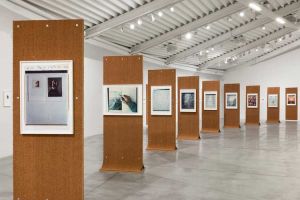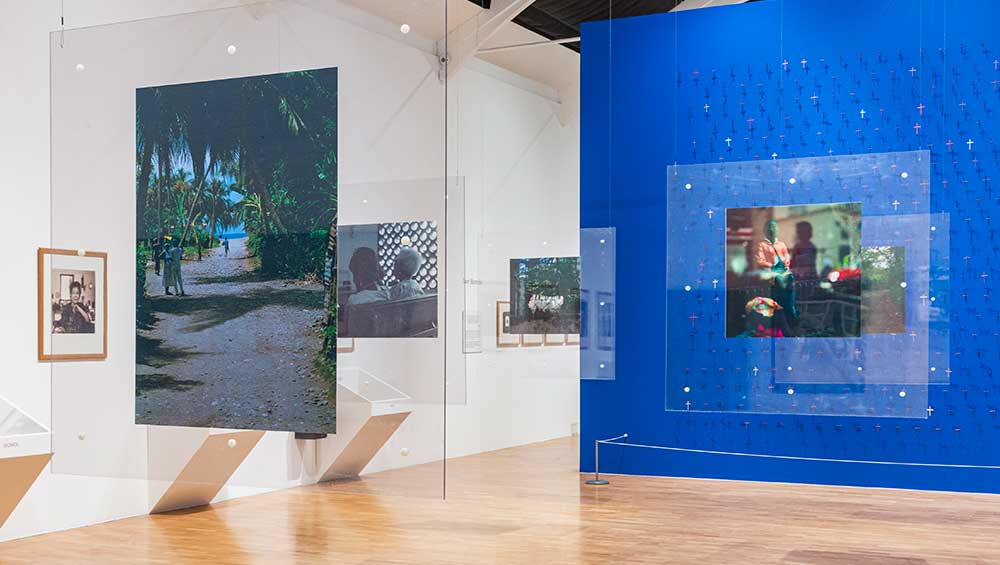
Whitechapel Gallery, London
8 October 2025 – 1 March 2026
by BETH WILLIAMSON
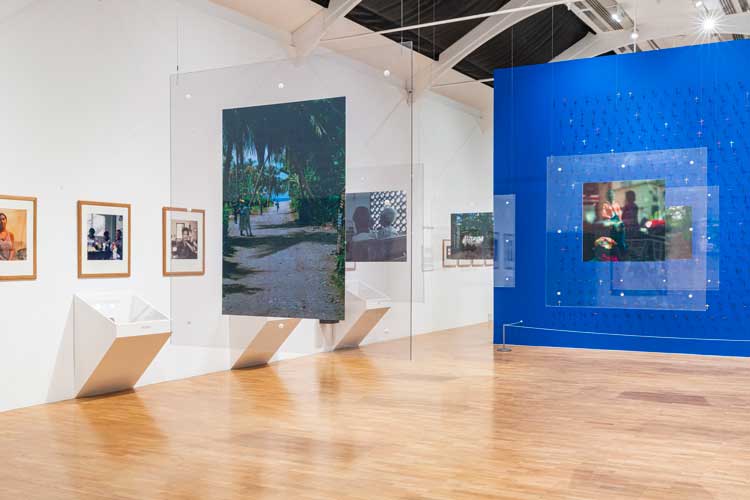
Contemporary photography, as it has developed over the last 40 years or so, would not be the same without the innovative work of the Black British artist Joy Gregory. Working in film, photography, installation and textiles, she has, across four decades, expanded methods, materials, content and approach. The scope and extent of her wide-ranging practice is immediately evident in this survey show, sharing more than 250 of her works. It is astonishing that this is the first major survey show of her work and more astonishing still when you realise the range of her practice, from Victorian photographic techniques (think cyanotypes and kallitypes) to digital media, performance and more. What is surprising, perhaps, is the way in which Gregory’s work engages with critical themes such as identity, history, race, gender and beauty without any polemical voice. There is, instead, a quiet insistence in her work that uses visual poetics to delve into these questions. The key strategy here is in the exhibition’s title, which comes from a proverb her mother used to say to her: “You catch more flies with honey than with vinegar.” This gentle approach is one that entices us into the work, calls for a considered and reflective engagement, allowing the beauty within the works to open up serious questions in a manner that is accessible to all. This does not make these issues any less urgent, of course, so it demonstrates considerable patience and care on Gregory’s part. In light of the fact that it has taken four decades to reach this point, it reveals an incredible feat of endurance and persistence too.
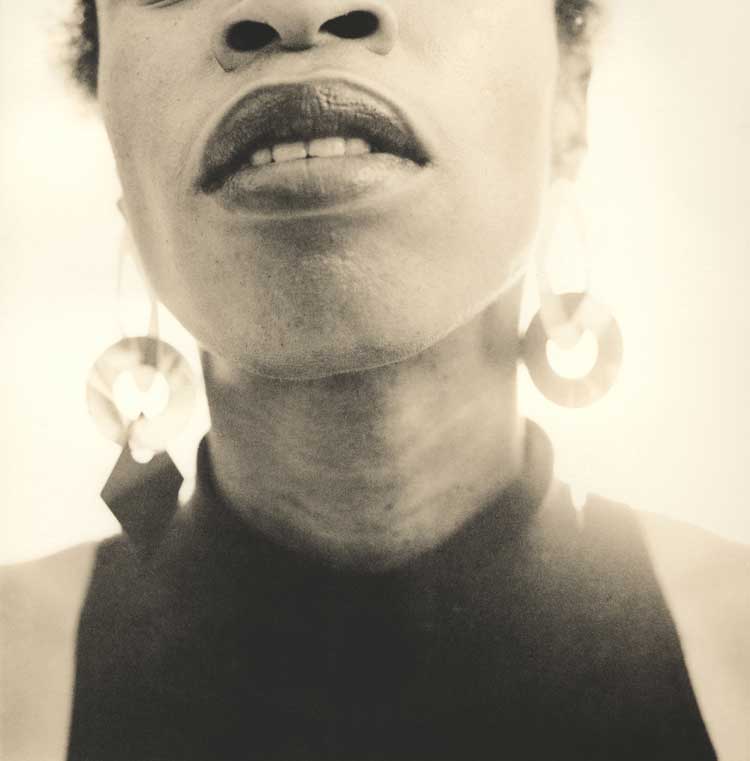
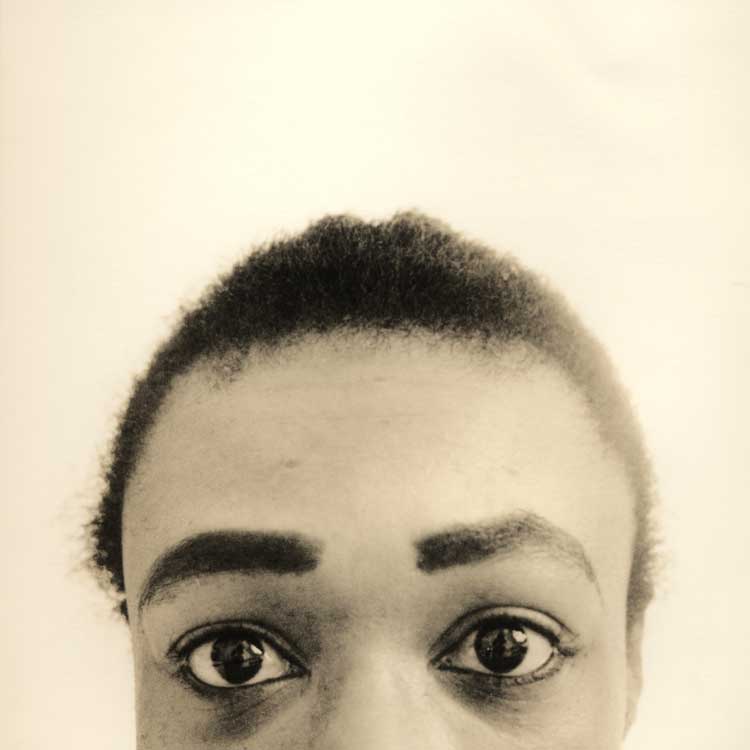
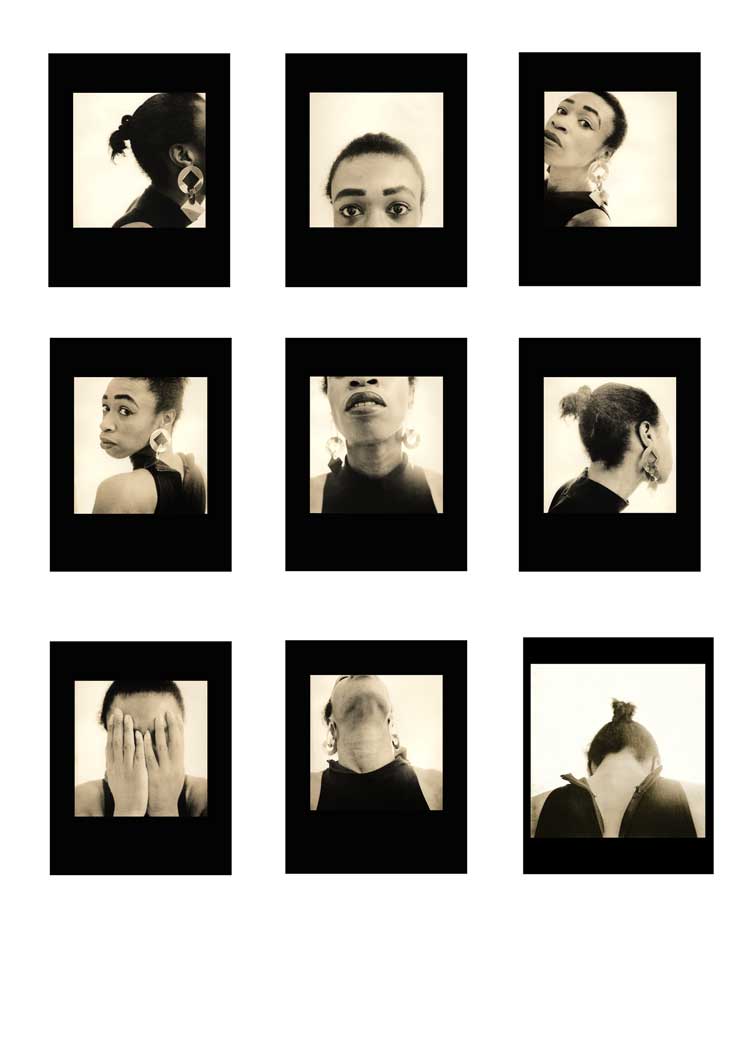
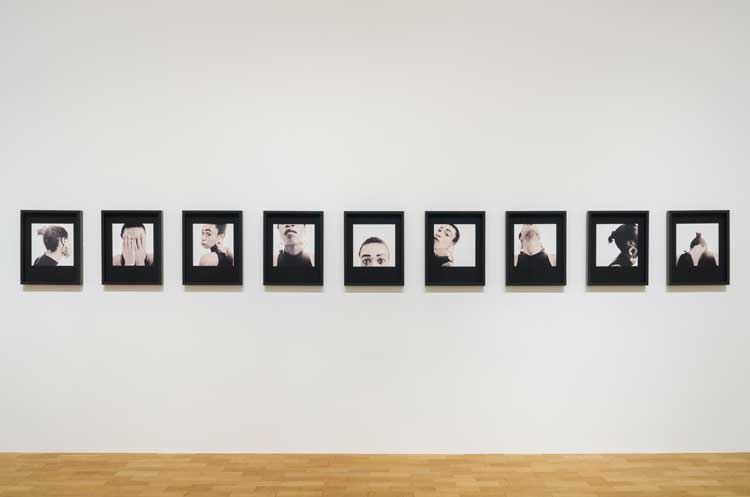
Self-portraiture is the perfect place to begin. Autoportrait (1990), The Honeymoon Project (1990-92) and Women and Space (1987-99), occupying the first section of the lower gallery, establish a foundation for the show by immediately setting up a series of questions. The cropped self-portraits of Autoportrait reveal how the camera constructs beauty and identity. The intimacy of The Honeymoon Project explores hopes and desires in a more introspective way and Women in Space places the female figure in hotel rooms to question the relationship between identity and place. This loose framework of questions acts as a basic scaffold for the exhibition as a whole, with each work or group of works picking up the questions in their own manner, perhaps shifting emphasis a little or inflecting focus as they go. In this way, the initial works we encounter here are never lost but stay with us as viewers throughout if, that is, we stay focused and allow Gregory’s quiet insistence the room to function.
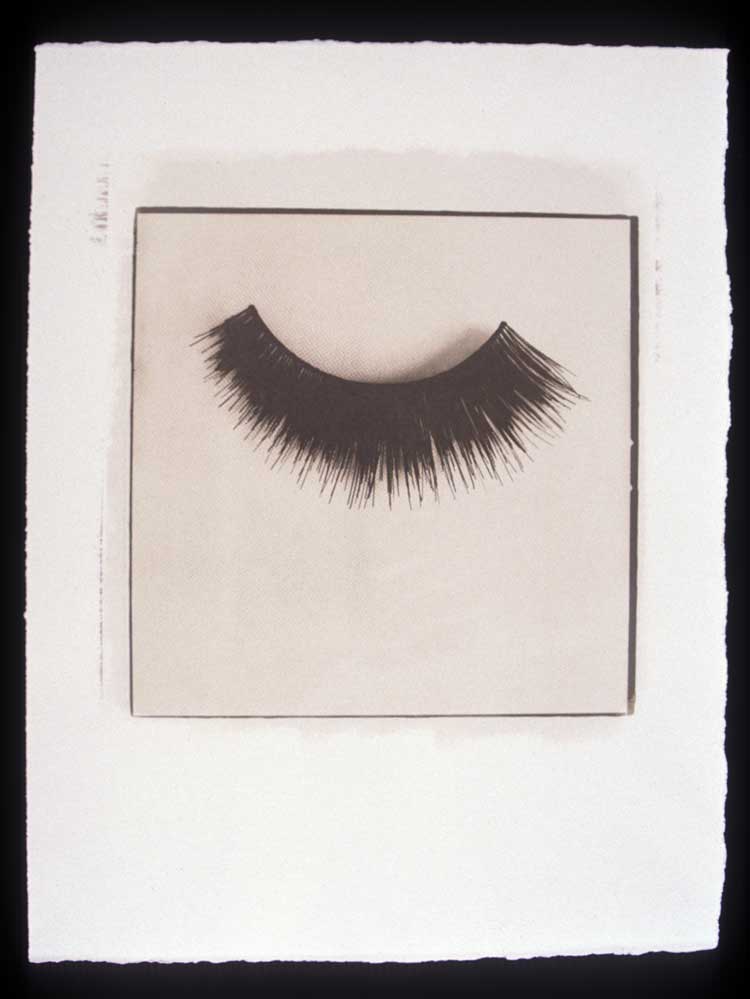
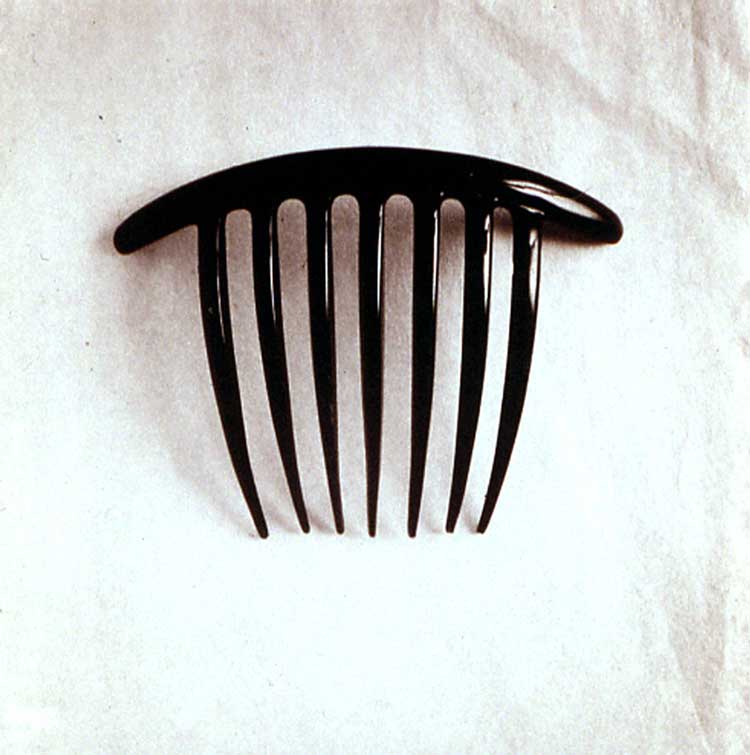
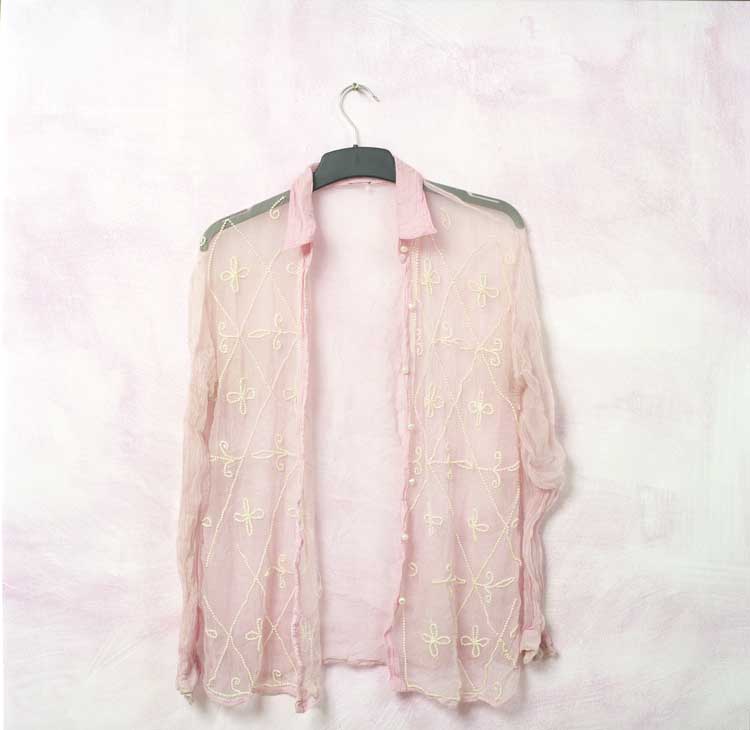
Her interest in the social construction of beauty and identity is taken forward in truly innovative ways in Objects of Beauty (1992-95), The Handbag Project (1998-present) and Girl Thing (2002-04). As the artist explains: “Girl Thing is an exploration of gender construction through the obvious associations of object with ‘feminine’ description. The instant recognition of the objects and their wider meanings to a broad audience is intended to suggest that, despite claims of radical social change over the last 40 years, the essence of gender expectation remains the same.” It would be difficult to dispute Gregory’s perspective.
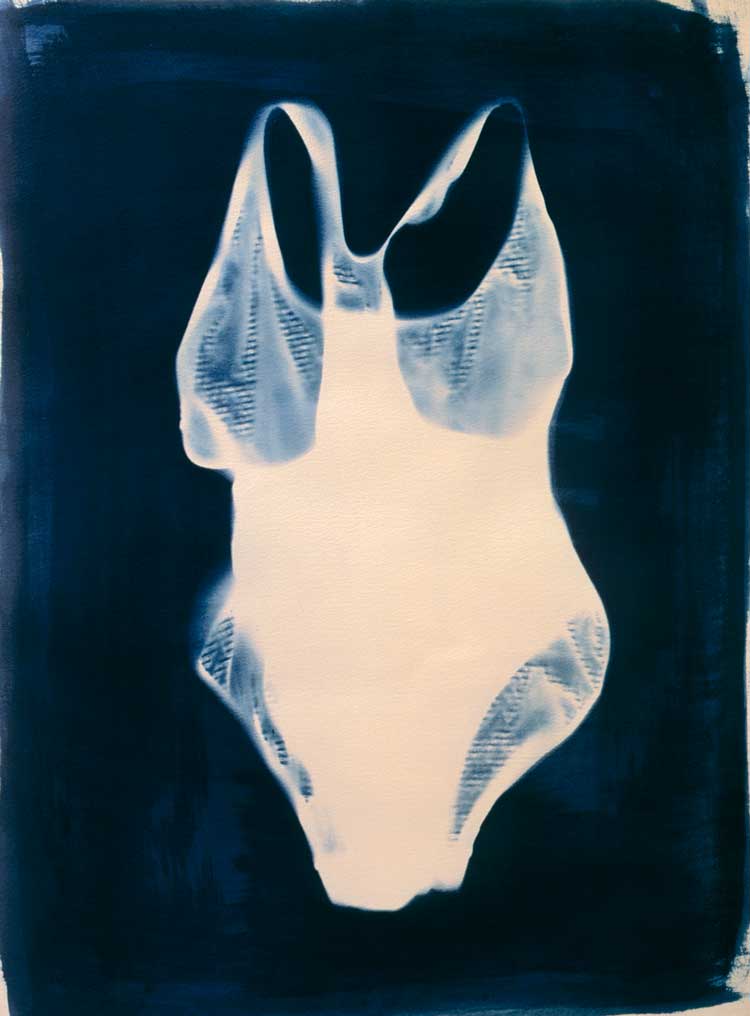
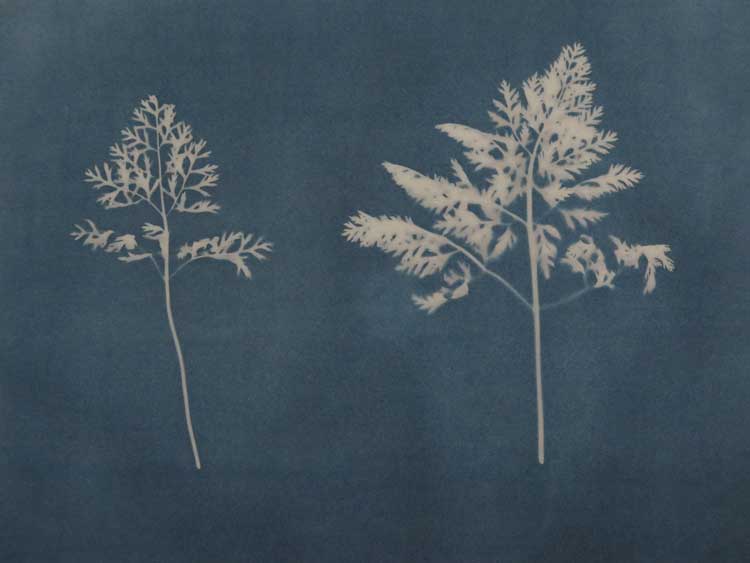
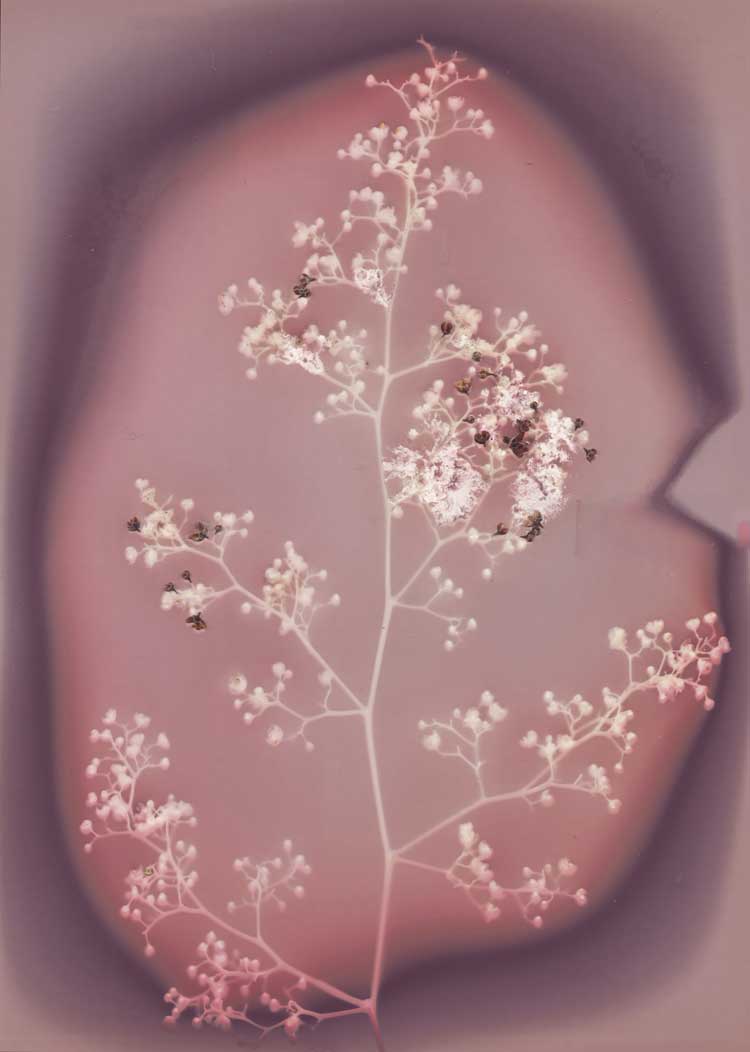
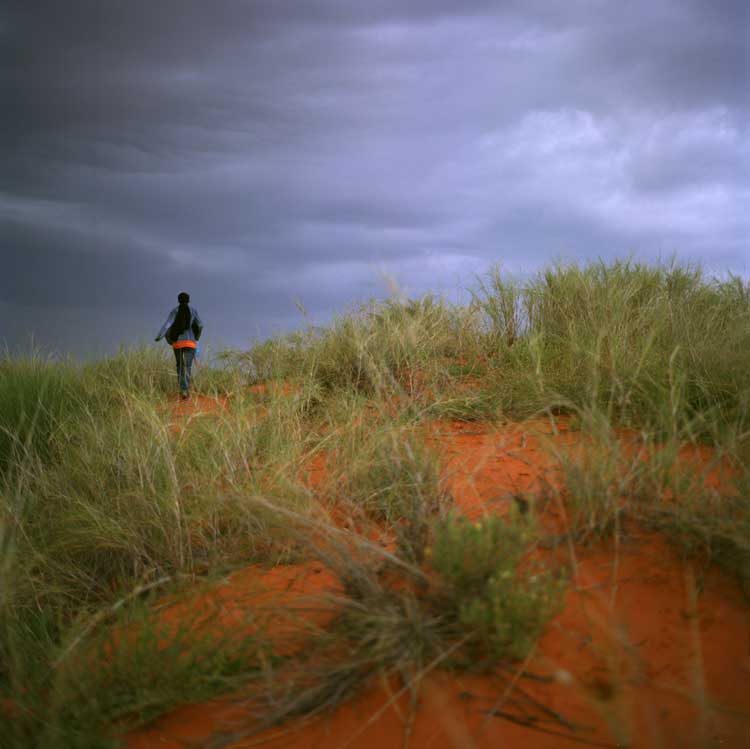
For me, some of the most poignant images in this exhibition were made in 2004 when Gregory was on residency at the Lunuganga Estate in Sri Lanka. The photographs were taken in the wake of her father’s death. The Gardens, The Gardeners, Interiors and Scanned Plants all exude a solemn, contemplative mood shaped, surely, by grief, solitude and the intensity of the tropical landscape.
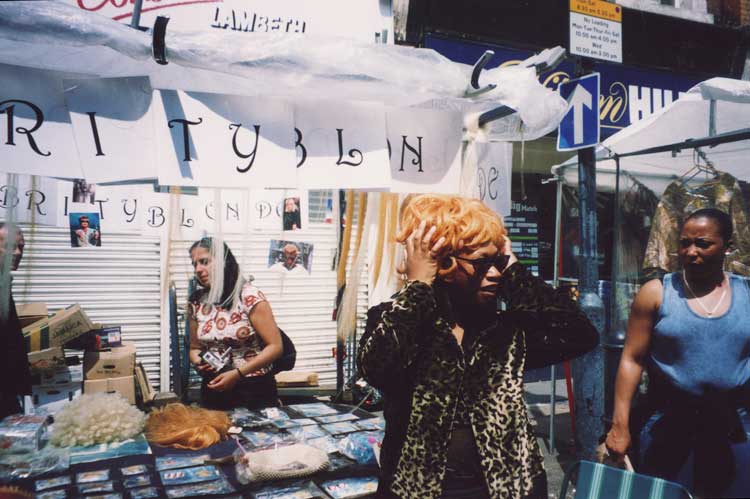
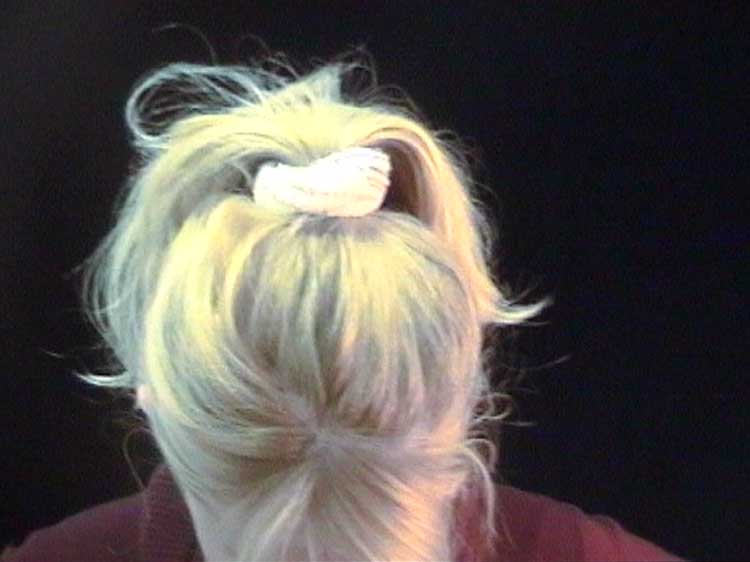
An entire upstairs gallery is devoted to works Gregory made around blondness. Her project The Blonde (1997-2010) reflects on racialised notions of beauty using film, photography, relics and documentation. It is both shocking and playful with phrases such as “Bottle Blonde” and “Celebrity Blonde” indicating the range of products, advertising and stigma that targeted mainly women. As Gregory sees it: “The platinum blonde is a metaphor for eternal childhood, a subject of global fascination and western society’s object of desire. Blonde is the acceptable face of contemporary fetish, conjuring up visions of beauty, love, sexual availability, fun and envy. The mid-1990s heralded unexpected variations on the theme, adding more than a little spice to the mix.”
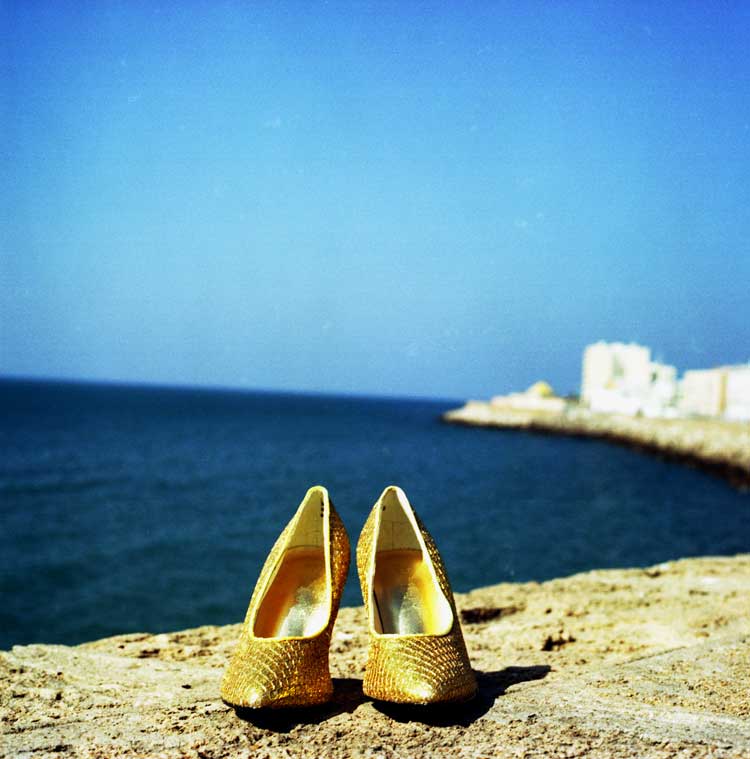
Cinderella Tours Europe (1998-2001) is a captivating series of photos of a pair of golden shoes that seem to be on a Grand Tour around iconic and often photographed landmarks. Gregory made the work informed by conversations and interviews in the Caribbean. The shoes act as a cipher for the previously enslaved and colonised peoples of the region, the majority of who are denied access to such places. In this way, the journey through Europe is an unattainable dream, a fairytale, perhaps.
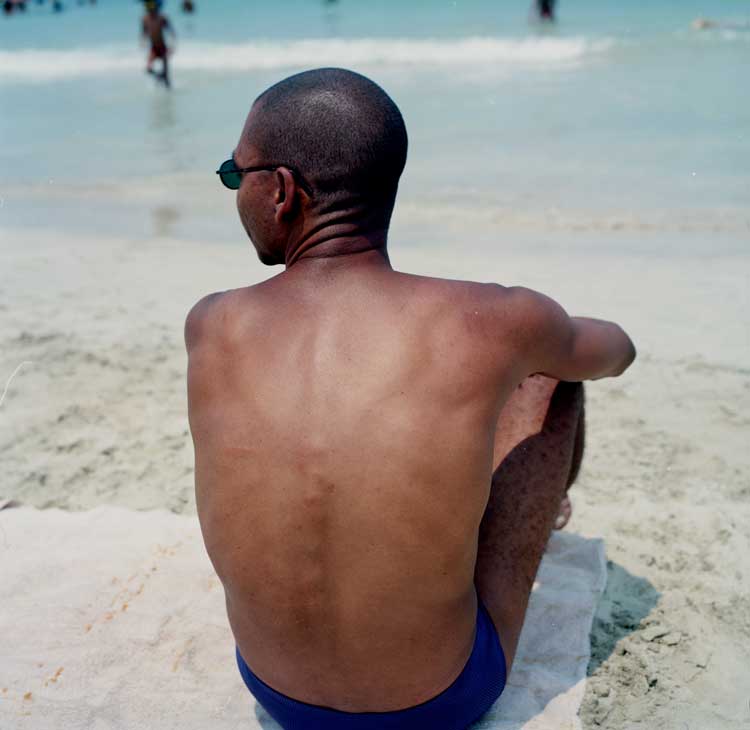
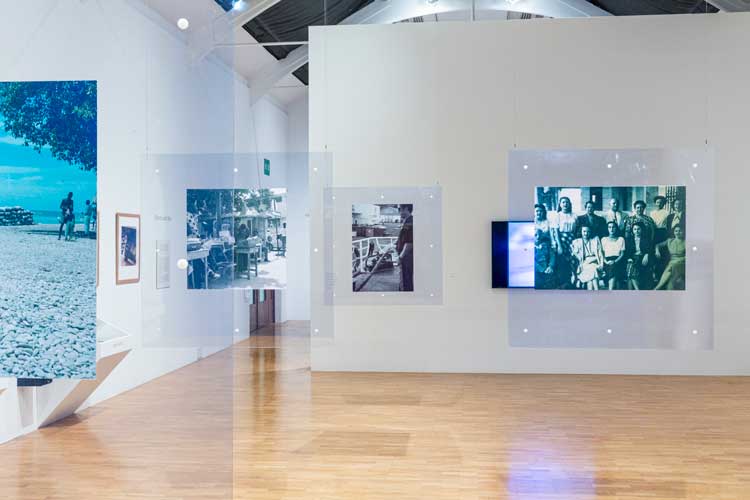
The multimedia works in the final gallery space are utterly entrancing. In complex and multi-layered works such as Memory and Skin (1998), Seeds of Empire (2021) and The Sweetest Thing (2020), Gregory draws on the past to make works of resounding contemporary relevance. Memory and Skin maps the relationship between Europe and the Caribbean, what she calls “a storytelling space for the past, present and future; the personal and political”.
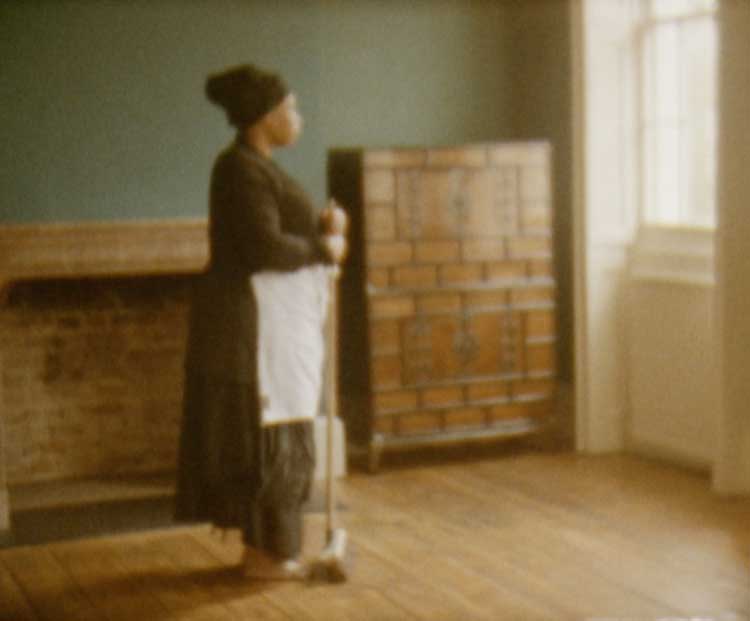
The haunting Seeds of Empire combines still and moving image, drawing, text and sound together in a work that takes the 17th-century travels and collections of the physician and naturalist Sir Hans Sloane as its point of origin for a technically and conceptually complex creation. This and The Sweetest Thing are deeply rooted in Gregory’s research into slavery and colonial histories. It is an exquisite way in which to share such horrific histories and all the more powerful because of that. Like catching flies with honey, it returns us to the exhibition’s title while leaving us to reflect further on what we have seen. These final works in the exhibition will sit with me for quite some time.
• Joy Gregory’s textile installation Fierce and Fearless is also showing at the Whitechapel Gallery, until 1 March 2026; Catching Flies with Honey will tour to Arnolfini, Bristol, from 17 October 2026 to 7 February 2027.


-Emilija-Skarnulyte_Riparia-(2)-300.jpg)